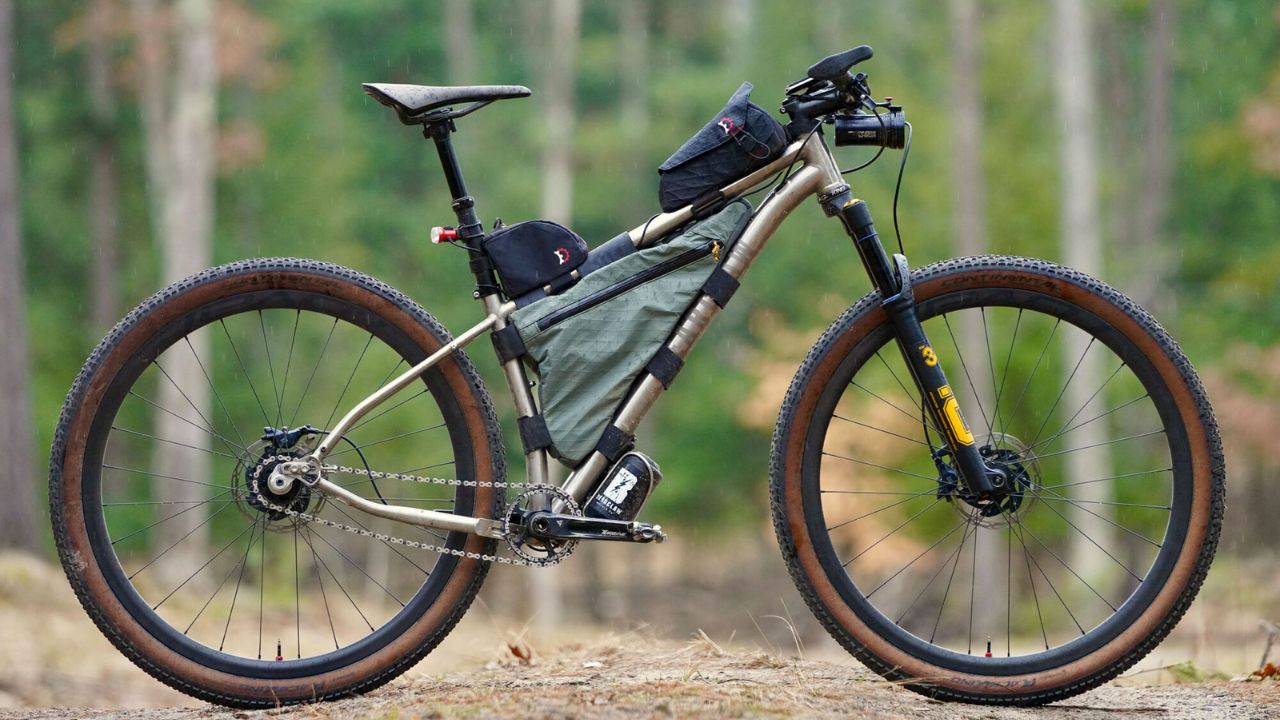
From Fat Bike Frames to Time Trials: Versatile Carbon Handlebars for Every Rider
The current cyclist requires lightweight, durable and aerodynamic equipment. The use of carbon fiber handlebars is one of the modern innovations and is currently being used in the modern cycling world due to their potential to transform the riding experience across different disciplines. Carbon handlebars offer better performance and comfort to the riders as they come down to fat bike frames that are intended to be used on rough landscapes, as well as thin time trial bicycles that can be used at high speeds. These handlebars are made of high-quality materials, professional engineering and intelligent design, which makes them irreplaceable to the recreational and competitive cyclists. The adjustable carbon TT rest handlebar for professional time trial setups provides riders with optimal aerodynamics, comfort, and control during high-speed racing.
Lightweight Performance
Another distinctive feature of carbon fiber handlebars is the enormous strength-to-weight ratio. Carbon fiber can be made to be very light as opposed to a traditional aluminum or steel bar, and it is also rigid. This weight-saving design makes the full mass of the bike lighter, thus enabling the riders to speed up faster and ride at a higher speed with minimum effort. In the case of time trial riders, every gram counts, and carbon handlebars can be used to ensure that there is optimal efficiency with no effect on structural integrity.
Versatility Across Disciplines
Carbon handlebars are not a thing of high-performance racing anymore. They have even made their way to fat bikes, where the riders can ride in the snow, sand, or coarse off-road paths. Carbon fiber construction is rigid in nature and results in stability and control in rough weather conditions, and also, its ability to reduce vibration minimizes strain during lengthy rides. Carbon handlebars can be used in a variety of conditions by mountain climbers and by high-performance sprinters on moderate tarmac due to the flexibility of the handlebars. This flexibility allows them to be a convenient option to cyclists working across various fields, or just willing to have a top-quality handlebar to use every day.
Customization and Fit
The other benefit of the contemporary carbon handlebars is that length, width, and shape can be tailored to fit the demands of the particular rider. Time trialists and triathletes usually employ the rest handlebars, which can give them an aerodynamic posture as well as greater comfort during longer rides. Bars of ergonomic design can be chosen by fat bike riders to offer more grip and leverage during technical trails. These days, manufacturers provide a variety of sizes and personal colors of the paint, which means that not only does every handlebar work well, but also fits a rider and their bike.
Durability and Safety
Carbon fiber handlebars are light but strong enough to withstand. Strength and stiffness achieved using high-quality materials like Toray T800 UD carbon are able to support the vigorous riding conditions. To ensure that all the handlebars are safe, manufacturers use accurate layup methods and quality checks with infrared identification and stress tests. Such a combination of strength, performance, and reliability instills confidence in the riders in both their efforts to push the limits during a time trial and when they are facing an uneven off-road trail.
Aerodynamic Advantage
The importance of aeronautics in cycling is especially significant to time trial and triathlon cyclists. The handlebars are made of carbon, and their designs are normally streamlined to cut down the wind resistance. Internal cable routing is another typical feature, which conceals brake and shift cables behind the handlebars. Not only does this make it look cleaner and race-ready, but it also enhances airflow, and this gives cyclists the ability to stay fast with reduced drag. To the riders who are racing against time, these aerodynamic advantages will mean seconds by which they will have won the race, which is everything.
Conclusion
Carbon handlebars have transformed the cycle riding sport through the provision of a combination of lightness and performance, aerodynamic efficiency and versatility. These components can be used in fat bike frames created to withstand tough terrain conditions, to the time trial bars that are specifically engineered to achieve maximum speed, and these are the needs of contemporary cyclists. Their versatility, which is accompanied by superior materials and personalization, makes them a key component of any rider. As the cycling technology keeps on changing, carbon handlebars are still in the spotlight, and they have helped improve performance as well as the riding experience for enthusiasts of all disciplines.