Sourcing Marine-Grade Gear: What to Look For in a Waterproof Bag Manufacturer
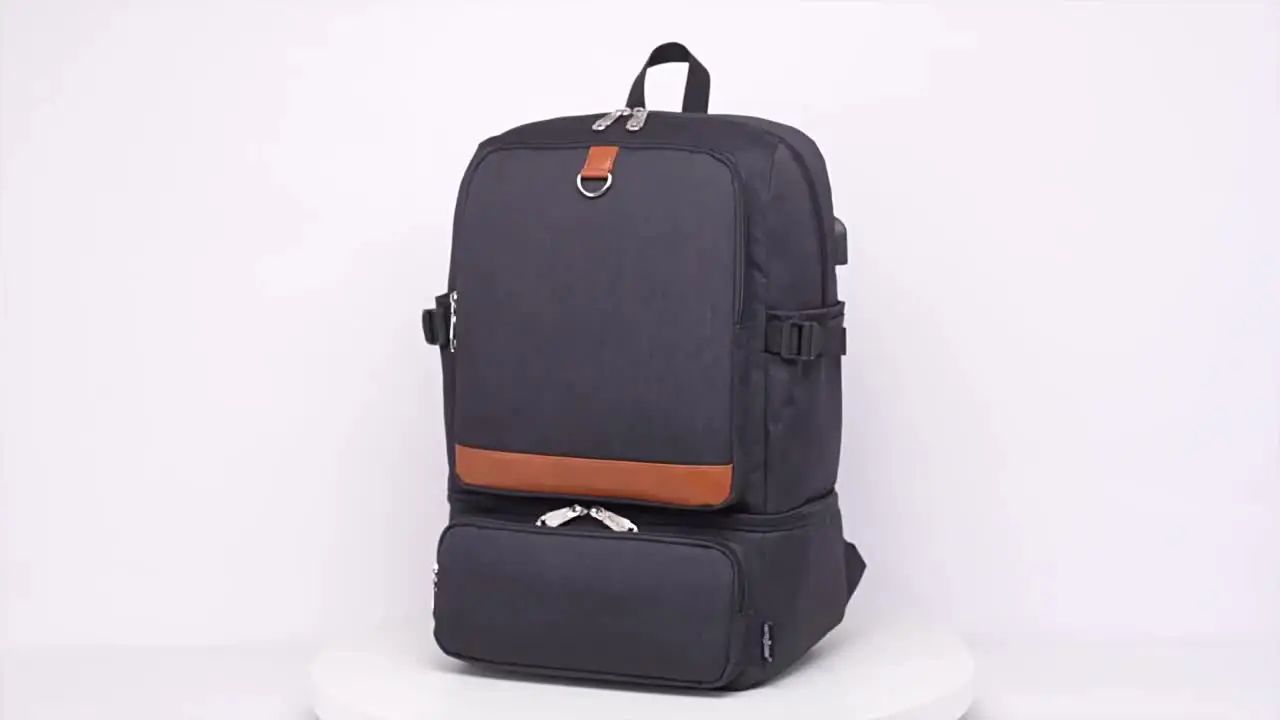
Gear doesn’t last long in the marine environment. Every fault in a product is exposed to saltwater, humidity, ultraviolet rays, and wet-and-dry cycles. When buying a bag for boating, fishing or coastal sports, the most important factor is not the design, but the construction reliability of the waterproof bag manufacturer. In a professional situation, a minor fault in the fabric or seal can result in gear failure at sea, which will not be tolerated. This is why a lot of emphasis is placed on materials, construction techniques, and longevity when making sourcing choices, rather than on aesthetics.
Fabric Strength Under Salt and Sun
Marine-grade fabrics resist salt and sunlight, making them lightweight, tear-resistant, and durable, often using high-tenacity nylon and coated polyester. These fabrics are frequently “treated” to reduce water absorption, but this is not sufficient for marine use. Some customers even consider TPU membranes that provide a more direct water barrier. Fabric selection is not strictly a single material but is tailored to the final use case in production systems like those used by Everich.
Difference Between Coated Fabrics and TPU Layers
Coated fabrics rely on surface coatings that may wear off over time. The effectiveness of TPU membranes varies, as they provide a continuous barrier throughout the material. This difference is important in wet areas where equipment is frequently exposed to moisture. When purchasing custom water-resistant bags from a supplier, it is important to be aware of this difference so you can select a material that will last long enough for the bags to withstand salt water and friction.
Role of Roll-Top Closure Systems
Another important design consideration is closure design. In marine bags, the roll-top system is the most common as it eliminates the need for zippers that may malfunction in the presence of sand or salt. The mechanism works by folding the upper edge several times and locking it in place, so water can’t get in, and the air is sealed off. This basic design is widely used in bulk wholesale dry bag manufacturing for its excellent performance in harsh conditions.
Resistance to Abrasion and Impact
Fishing gear is not treated with tenderness. It’s dragged around boat decks, stored in cramped spaces and subjected to rough handling and abrasion. This means that materials need to be durable yet remain flexible. Reinforced nylon layers or TPU-coated fabrics help to minimize surface wear. Additional base reinforcement may be added to certain designs to resist repeated impacts during transport and storage.
Weight Balance for Mobile Use
Boating and fishing activities may require transporting equipment over rough surfaces. If someone can’t move around easily, excess weight can be a problem. To achieve a lightweight design while remaining durable, manufacturers of marine bags, such as Everich, have created these products. For those who want to transport their equipment for an extended period, this factor is important.
Water Pressure and Submersion Limits
Not all waterproof claims mean the same thing. Unlike other bags, some are splash-tight, and others are waterproof for a limited period of time. The product needs to be assessed by the buyer for surface protection or complete immersion. For marine applications, dry bags are tested to withstand water pressure so that the contents remain dry even if the bag is tossed into the waves or sinks for some time.
Internal Organization in Wet Environments
Marine users may be carrying a variety of gear, such as electronics, tools and clothing. The condition is that external parts are waterproof, while internal parts are dry. This is accomplished by sealed liners and compartment-separating systems. Some of the designs, however, have built-in dry spaces to keep the exterior wet but the interior dry.
Durability of Hardware Components
All straps, buckles, and connectors may be overlooked, but play a major role in marine performance. The plastic parts should be protected against salt corrosion; the same applies to metal parts, which should be treated to prevent rust. If the main bag structure is strong, but the hardware is weak, it can still fail. This is the reason for conducting complete system tests rather than just fabric evaluations as part of the sourcing process.
Environmental Stress Testing
Many buyers need stress testing before approval, which will be done under simulated marine conditions. This includes salt spray exposure, submersion cycles and UV aging tests. These checks are used to identify the locations of strengths and weaknesses before customers use the products. These tests are usually performed as part of routine quality control by manufacturers of marine-grade equipment.
Conclusion
When selecting a waterproof bag manufacturer for marine use, consider more than waterproofing. Key factors include fabric type, seam construction, closure, and hardware strength that affect durability in ocean conditions. For a waterproof backpack manufacturer or dry bags wholesale bulk, it is important for the purchaser to consider the backpack’s long-term resistance to salt, water pressure, and mechanical damage. Suppliers like Everich can help marine operators and retailers who demand reliable gear in an environment where failure isn’t an option by providing the right materials and controlled production systems.