What Makes OEM Mouthwash Tab Production Different From Any Other Oral Care Manufacturing
Brands that have sourced private label toothpaste or tooth powder before sometimes assume that adding a mouthwash tab to their line is a straightforward extension — the same manufacturer, the same general process, a new formula. The assumption is understandable. Tablet is tablet. Oral care is oral care.
The assumption is also wrong in ways that matter commercially. Mouthwash tab production has specific technical requirements that don’t transfer from toothpaste tablet manufacturing, and the gap between a manufacturer who understands those requirements and one who doesn’t shows up in the finished product in ways consumers notice immediately.
The Dissolution Chemistry Is Fundamentally Different
Toothpaste tablets are designed to be chewed — the consumer actively breaks them down, and the dissolution happens through mechanical action in the mouth. The formula doesn’t need to dissolve on its own; it just needs to break apart under chewing pressure and produce a workable paste.
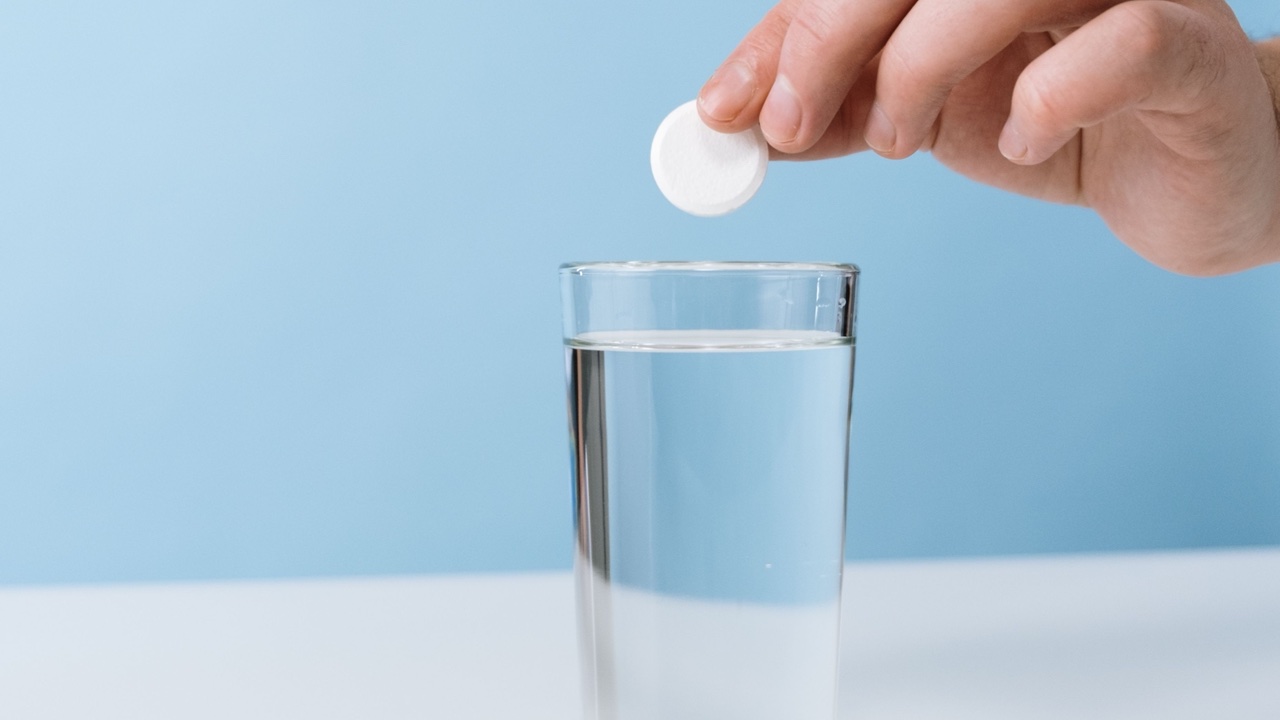
Mouthwash tabs dissolve in water, passively, before the product enters the mouth. That’s a completely different engineering problem. The tablet needs an effervescent or dissolution-trigger system — typically a combination of an acid source (citric acid is common) and a base (usually sodium bicarbonate) that reacts in water to produce the carbon dioxide bubbles that drive dissolution. Getting that reaction rate right is the core manufacturing challenge in mouthwash tabs, and it doesn’t exist at all in toothpaste tablet production.
Too slow and the consumer is standing over a sink waiting; they’ll use it once and revert to their bottle. Too fast and the tablet fizzes out before the active ingredients have fully incorporated into the rinse solution, which affects efficacy. The target dissolution window — typically somewhere between twenty and sixty seconds depending on the intended use experience — requires specific calibration of the effervescent system that takes formulation iterations to get right.
A manufacturer who has never made a mouthwash tab before is calibrating that system from scratch on your product. A manufacturer who’s been running mouthwash tab production has already found the formulation parameters that work and is dialing in your specific requirements within a framework that’s already proven.
Active Ingredient Compatibility in a Wet-Activation System
In conventional liquid mouthwash, active ingredients are dissolved in a water-based carrier that’s been formulated for stability in wet chemistry. The interactions between ingredients are well-understood in that context. In a compressed dry tab, those same ingredients exist in a different chemical environment — and their behavior when the tablet dissolves and they encounter the effervescent reaction is not always predictable from their behavior in either the dry state or conventional liquid solution.
Certain antimicrobial agents that are stable in dry tablet form can degrade during the dissolution process if they interact with the effervescent system’s acid-base chemistry. Flavor compounds that perform well in stable liquid mouthwash may volatilize differently when released during effervescence. Fluoride ions, if the formula includes them, have compatibility considerations with certain co-ingredients in the dry state that don’t apply in the same way in wet chemistry.
Manufacturers who’ve worked through OEM mouthwash tab development have built up formulation knowledge about which active ingredients are compatible with which effervescent systems, which flavor compounds survive the dissolution chemistry intact, and where substitutions need to be made to maintain performance. That knowledge isn’t published anywhere — it’s accumulated through development work. A manufacturer encountering the format for the first time is building that knowledge base on your timeline.
The Packaging Interaction Problem
Mouthwash tabs have a packaging challenge that’s more acute than for toothpaste tablets: the effervescent system is highly sensitive to moisture. The acid and base components that drive dissolution will react prematurely if they absorb water vapor from the air — a tab that’s been exposed to humidity for long enough will partially self-dissolve in the package, crumble on handling, and produce a degraded rinse experience for the consumer.
This means the packaging isn’t just a marketing decision. It’s a formula protection decision. The tab formula needs to be calibrated to work with whatever packaging system is being used, and the packaging needs to provide the moisture barrier that the formula requires over the product’s intended shelf life.
A tin without an inner barrier liner that works for toothpaste tablets may not provide adequate protection for a mouthwash tab with an active effervescent system. A resealable pouch that works for powders may allow enough air exchange to cause problems over a six-month distribution cycle. The manufacturer who has run mouthwash tab production knows which packaging formats provide adequate protection and can flag when a client’s preferred packaging choice creates stability risks.
Why Batch Consistency Is Harder
Tablet compression is a standardized process across most oral care tablet formats — the equipment is similar, the QC measures are established, and batch-to-batch consistency is achievable for most experienced tablet manufacturers. Mouthwash tabs add a variable that makes consistency harder: the effervescent chemistry.
The ratio of acid to base components affects not just dissolution rate but also the pH of the final rinse solution, which in turn affects active ingredient efficacy and the sensory experience. That ratio needs to be controlled precisely across production batches. Variation in the moisture content of the raw materials — which can shift between raw material lots from the same supplier — affects how the effervescent system performs. A manufacturing process that doesn’t include tight controls on incoming raw material moisture and doesn’t track effervescent performance across batches will produce tabs that dissolve differently in lot three than they did in lot one.
For an OEM mouthwash tabs client, batch inconsistency is a brand problem before it’s a manufacturing problem. Consumers who experienced a clean, quick-dissolving tab in their first purchase and receive a slow-dissolving, partially crumbled version in their refill order attribute that difference to the brand, not the manufacturer. The brand takes the review hit while the manufacturer moves on to the next client.
What to Look for in a Manufacturer Capability Evaluation
The questions that determine whether a manufacturer has genuine mouthwash tab capability:
Can they show samples from existing mouthwash tab production — not prototypes they made for the conversation, but products that have been through full production runs and are in the market? Production samples tell you the actual batch output; prototype samples tell you what’s possible under ideal conditions.
Do they track dissolution rate as a release specification, and can they show that data across multiple batches? A manufacturer who measures dissolution consistently and maintains it within spec across batches is running a controlled process. One who doesn’t measure it or can’t show the data across batches is not.
What’s their incoming raw material protocol for moisture-sensitive components? The answer should include moisture content testing on the acid and base components before they enter production. A manufacturer who accepts raw materials based on certificate of analysis alone without in-house moisture verification is taking on a consistency risk that will eventually become your brand’s problem.
How do they approach packaging compatibility testing for the effervescent system? The answer should describe stability testing that evaluates the tab’s dissolution performance after storage in the intended packaging format — not just structural integrity, but effervescent performance at the end of the claimed shelf life.
A manufacturer who can answer these questions with specific data and established protocols is a manufacturer who has actually solved the technical problems that mouthwash tab production presents. One who gives general answers about quality systems is probably a toothpaste tablet manufacturer who believes the format transfer is simpler than it is.